
Trusted by Primary Care physicians for point-of-care imaging.
Primary care is a daily race against the clock. Tight appointment windows, growing patient volumes make every minute count.
Butterfly provides imaging when you need it, supporting clinical decision-making at the bedside and helping you stay focused on your patients during the visit.
Reduce reliance on outside imaging.
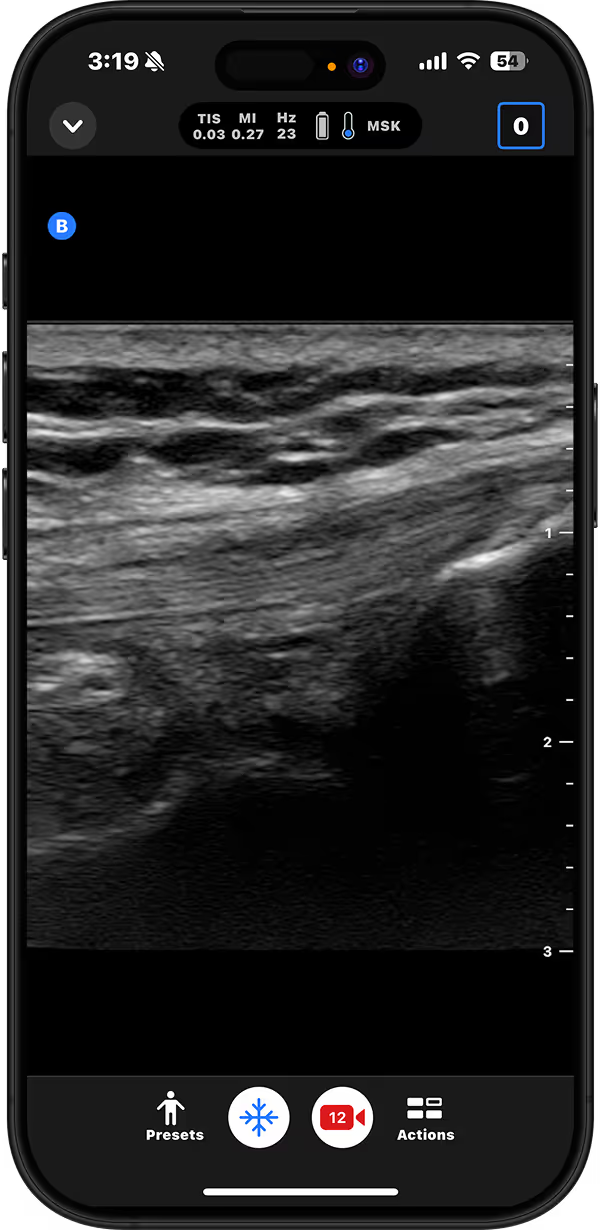


Identify joint effusions, guide aspirations, and differentiate cellulitis from abscess.
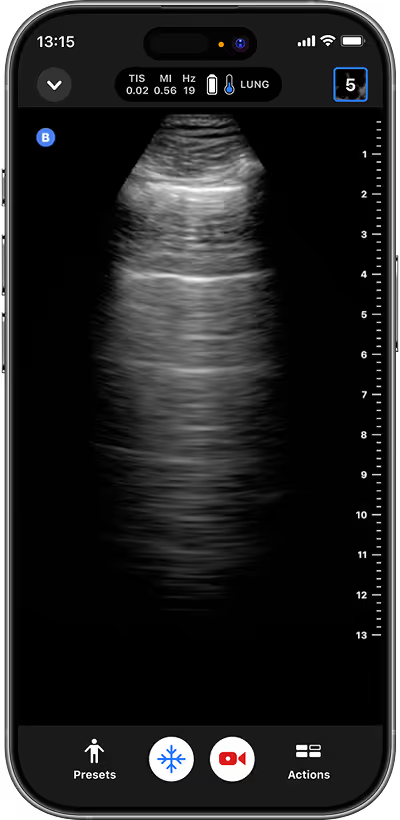

Perform bedside assessment for pneumonia, CHF, asthma exacerbation, or pneumothorax.
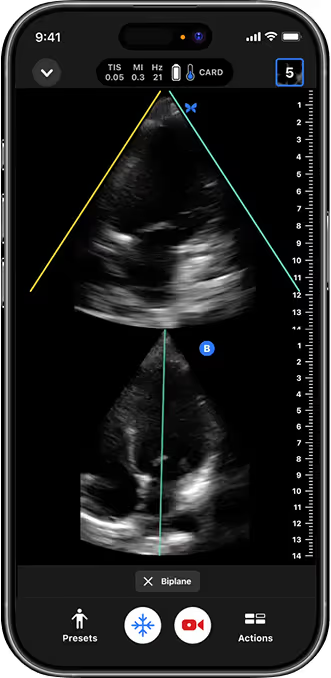

Assess for pericardial effusion or gross function in patients with chest pain or unexplained hypotension.


Calculate bladder volume to support urinary retention management.
Used by Primary Care teams nationwide.
“Having ultrasound in my pocket makes me a better doctor. It helps me answer clinical questions quickly and efficiently and helps me get the right treatment for my patients right away.”
.avif)
Primary Care demands efficiency. Butterfly POCUS supports you at the point of care.

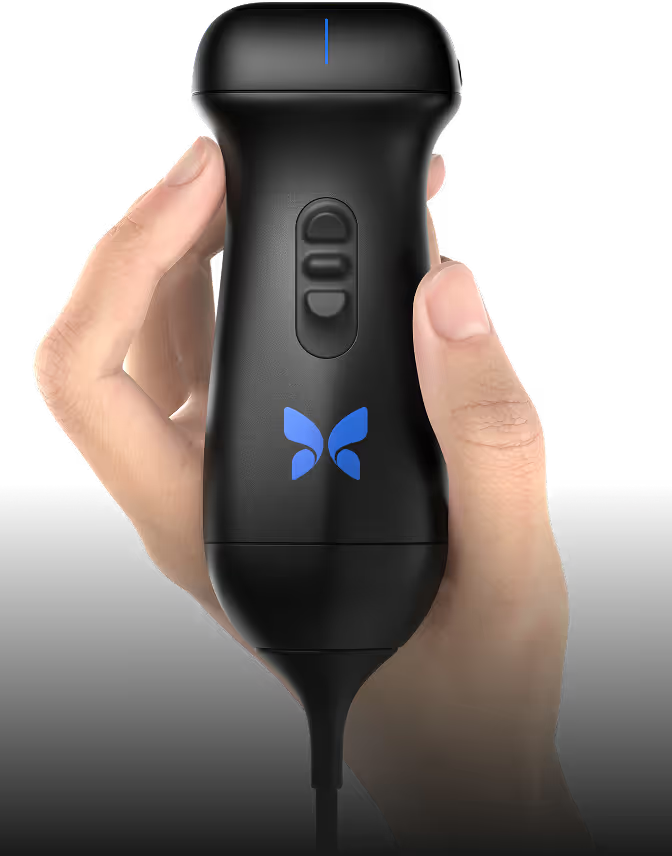

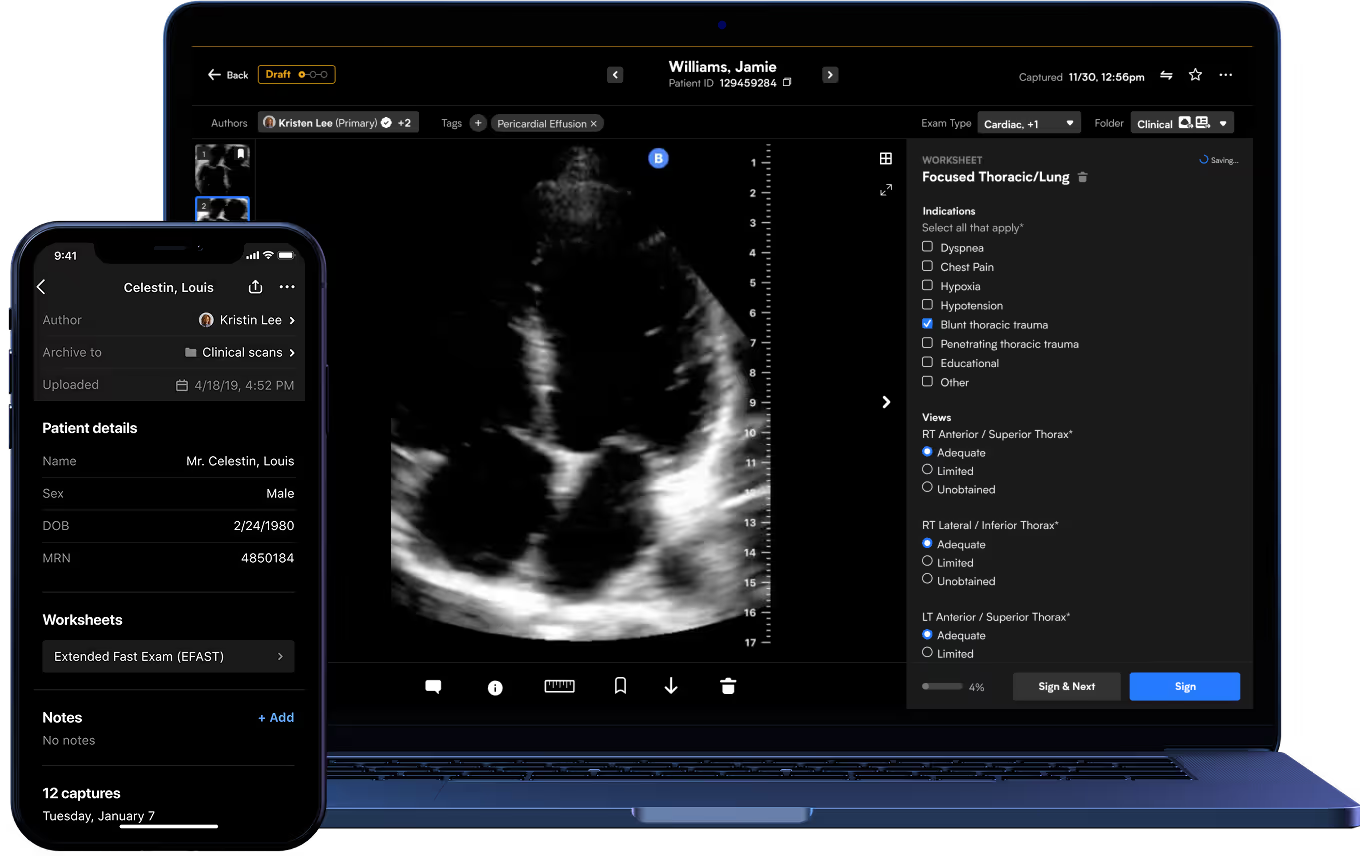

This isn’t theory. It’s clinical reality.
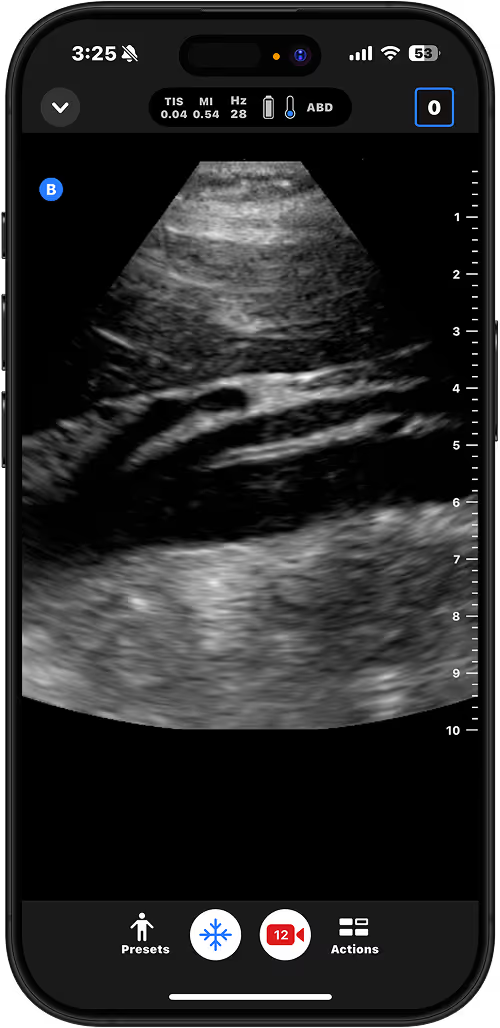
Long Aorta
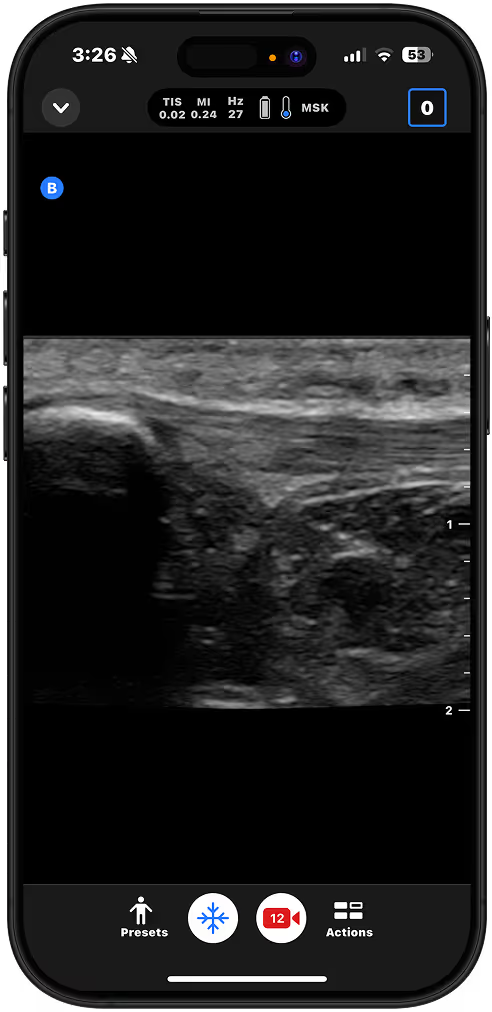
Patellar Tendon
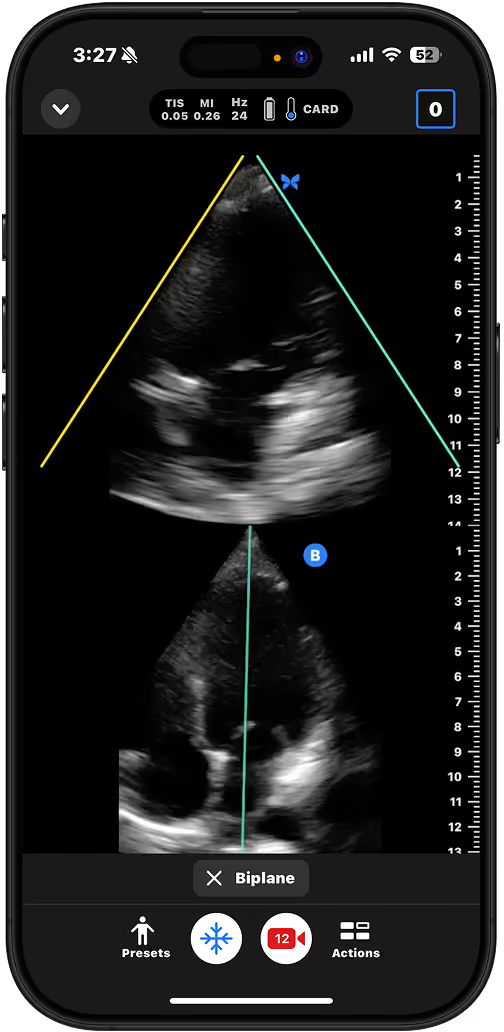
Cardiac Biplane imaging

Frequently Asked Questions
How is ultrasound used in primary care?

Ultrasound is used in primary care to support real-time clinical decision-making for common conditions including abdominal pain, shortness of breath, urinary retention, musculoskeletal injuries, skin and soft tissue assessment, DVT evaluation, and cardiac screening. Butterfly iQ3 allows primary care providers to perform bedside imaging during routine office visits without referring patients to external imaging centers.
Why use POCUS in primary care?
POCUS in primary care reduces time-to-diagnosis, eliminates delays from external imaging referrals, and enables same-visit clinical decisions. For patients, this means faster answers and fewer separate appointments. For practices, it means better care integration and the ability to generate additional revenue from billable ultrasound exams performed in-office. Butterfly's CompassAl ensures those exams are documented and coded for billing.
Can primary care providers bill for ultrasound exams?
Yes. When properly performed, documented, and coded, ultrasound exams in primary care are billable in most cases under applicable CPT codes. Common billable POCUS applications in primary care include abdominal ultrasound, bladder scan, soft tissue evaluation, and musculoskeletal assessment.
What conditions can primary care providers evaluate with Butterfly ultrasound?
Primary care providers use Butterfly to evaluate a broad range of conditions including abdominal pain and organomegaly, shortness of breath and suspected pleural effusion, urinary retention and bladder volume, musculoskeletal injuries such as tendon tears or joint effusions, skin and subcutaneous masses, lower extremity swelling and DVT, and cardiac findings such as pericardial effusion or severe LV dysfunction that prompt urgent referral.
Is ultrasound difficult to learn for primary care clinicians?
With modern Al-guided tools and structured training, many primary care clinicians can become proficient in common POCUS applications relatively quickly. Butterfly supports learning through ScanLab™ — a simulation-based training environment — along with in-app guidance and on-demand modules. Focused applications like bladder scanning, soft tissue evaluation, and lung ultrasound are typically the fastest to learn and immediately applicable in primary care practice.
What are the financial benefits of adding ultrasound to a primary care practice?
Adding ultrasound to a primary care practice creates new billable service opportunities from exams that many providers are already performing clinically. By using Butterfly iQ3 practices can capture CPT-coded reimbursement for POCUS exams, reduce external imaging referrals, and improve patient retention by delivering more services in-house. The device's low upfront cost relative to traditional ultrasound systems makes the ROI case accessible even for small practices.
Can Butterfly be used by nurse practitioners and physician assistants?
Yes. Butterfly iQ3 is used by nurse practitioners, physician assistants, and other advanced practice providers in primary care and specialty settings. Butterfly's Al-guided image acquisition tools and structured training resources are designed to support clinicians at all experience levels in developing POCUS competency.